


If you're planning a winter trip to Japan and have narrowed it down to Hakuba or Niseko, then you’re almost at the finish line. Both locations have beautiful mountain scenery, the Japow that draws both snowboarders and skiers alike, and warm onsens to relax after a long day. Having visited both as a non-skier/non-snowboarder traveling with a partner who likes to ride the slopes, here’s our breakdown of the two locations.
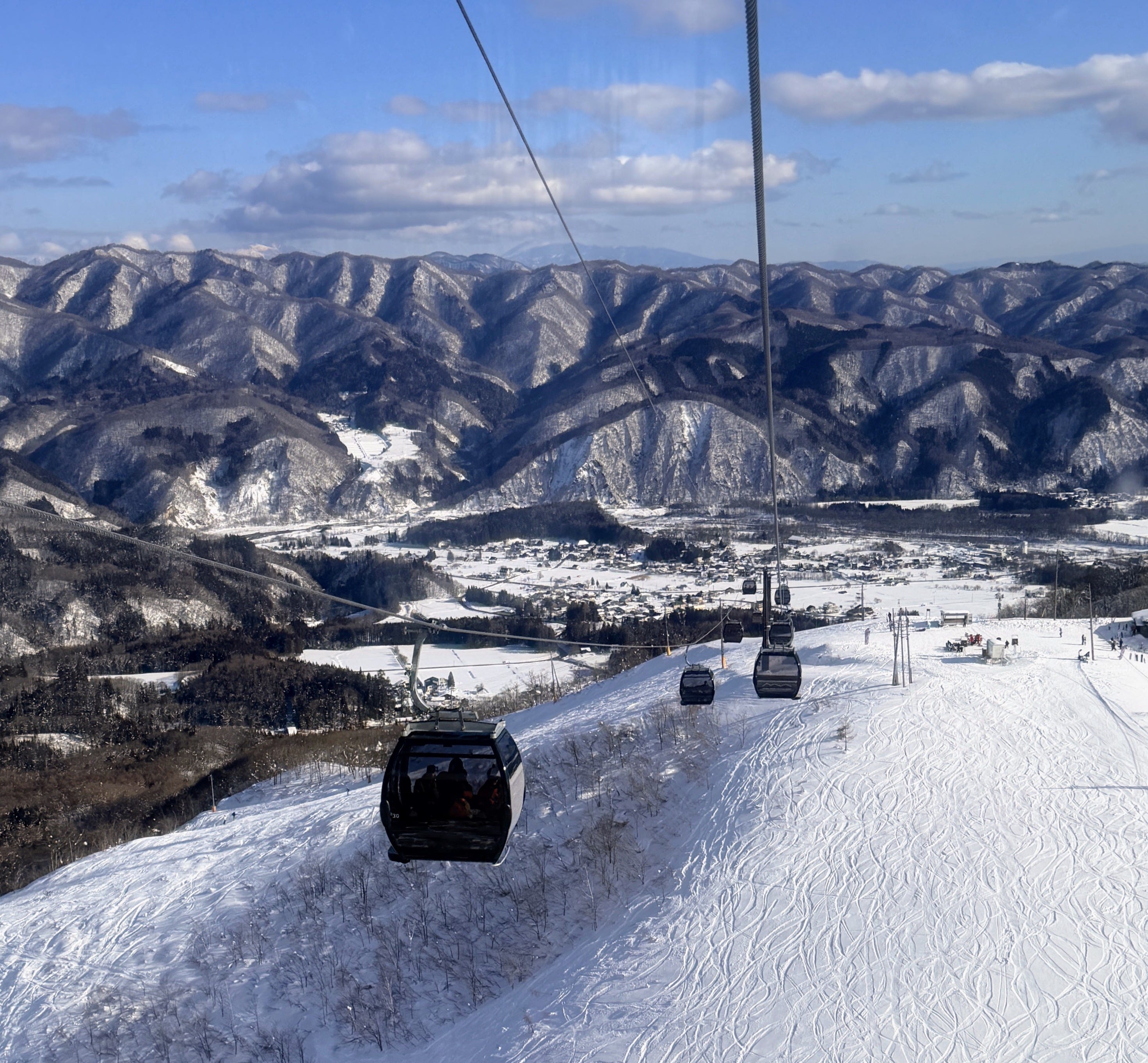
Quick Comparison: Hakuba vs Niseko
Hakuba at a Glance
Location: Nagano, ~3 hours from Tokyo
Snow: Heavy, reliable powder across 18 ski areas
Vibe: Quiet Japanese mountain town with real local character
Best for: Anyone building a broader Japan itinerary on top of skiing/snowboarding, non-skiers/non-snowboarder
Niseko at a Glance
Location: Hokkaido, ~2 hours from Sapporo
Snow: World-class powder, some of the deepest in Japan
Vibe: Louder, busier, a little unhinged, which honestly, is not necessarily a bad thing.
Best for: Serious powder chasers, people who want full resort energy
Location & Getting There
Hakuba is in the Nagano prefecture and is easy to access from Tokyo via bus, train, or car, and can easily fit into an itinerary that involves Tokyo, Kyoto, Osaka, Nagano, etc. We took a 5+ hour direct bus from the Haneda airport but you could also get there in 3-4 hours if you were just taking the train.
Niseko is on the northern island of Hokkaido. We flew into Tokyo and transferred on a local airline to New Chitose Airport in Sapporo, then took a bus to Niseko. You could easily pair a trip to Niseko with a few days in Sapporo.
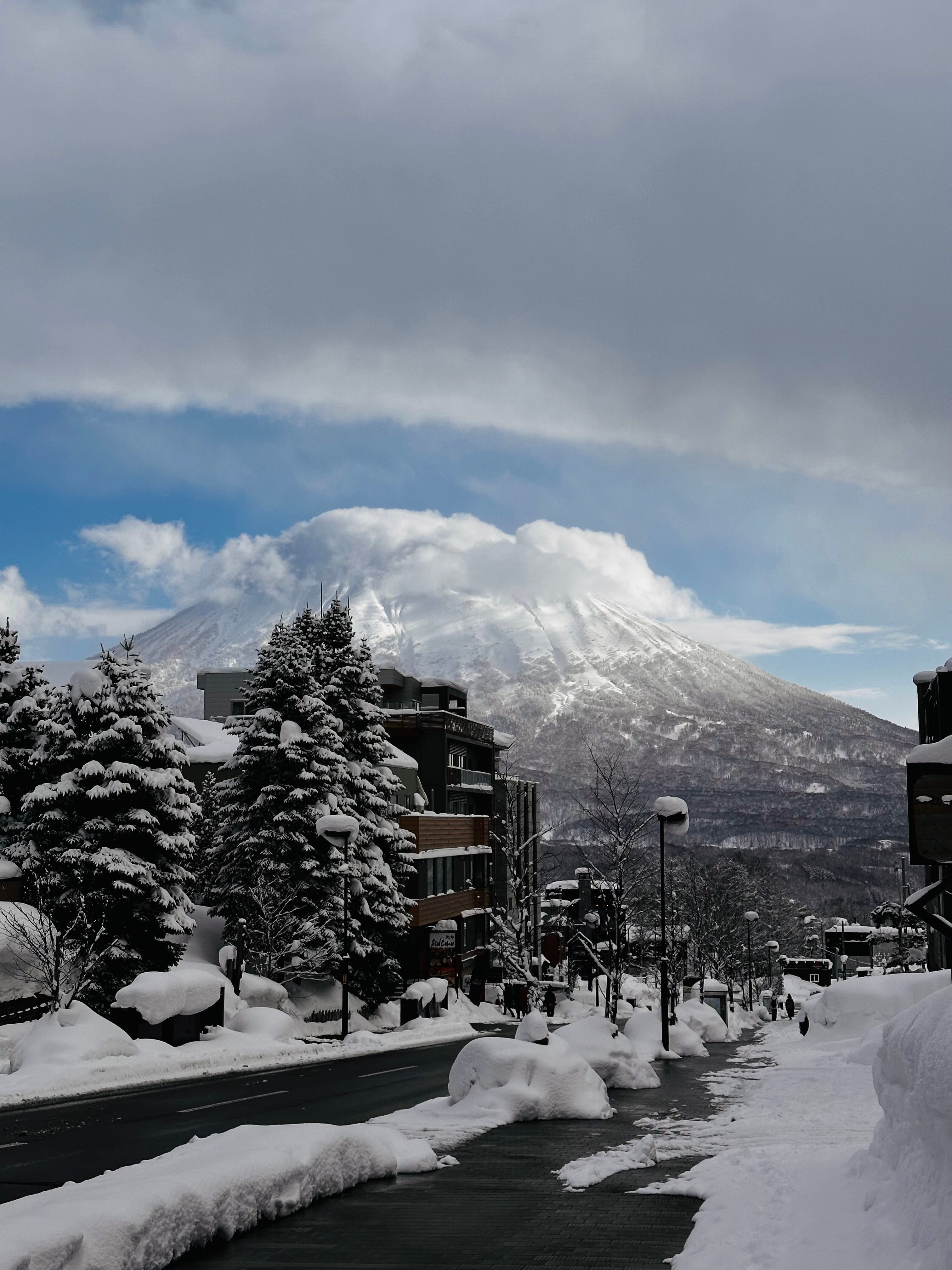
Snow & Riding Experience
I asked my travelling partner this question, and he said hands down the snow experience was much better at Niseko. Granted, the timing of the weather makes a difference; and that’s out of our control.
Annual snowfall reported by the resorts and tourism offices put both destinations at nearly the same, with Niseko having a slightly higher volume at times. Beyond volume, it’s also a quality difference. As cold air sweeps across the Sea of Japan it gathers moisture, rises over Hokkaido’s mountains, and releases it as the light, dry powder Niseko is famous for, a process confirmed by researchers at Hokkaido University and the Japan Meteorological Agency.¹
If you're not competitively chasing powder, the difference may matter less to you.
Vibe & Atmosphere
This is probably the biggest difference between the two. My experience in Hakuba felt more like a mountain town, where I could walk around at my own pace. In contrast, Niseko had a bit of a more unhinged energy, a sort of mesmerizing chaos that sometimes comes with the snow sports culture. Both draw in a lot of international visitors, but Niseko is way busier between the two.
For Non-Skiers
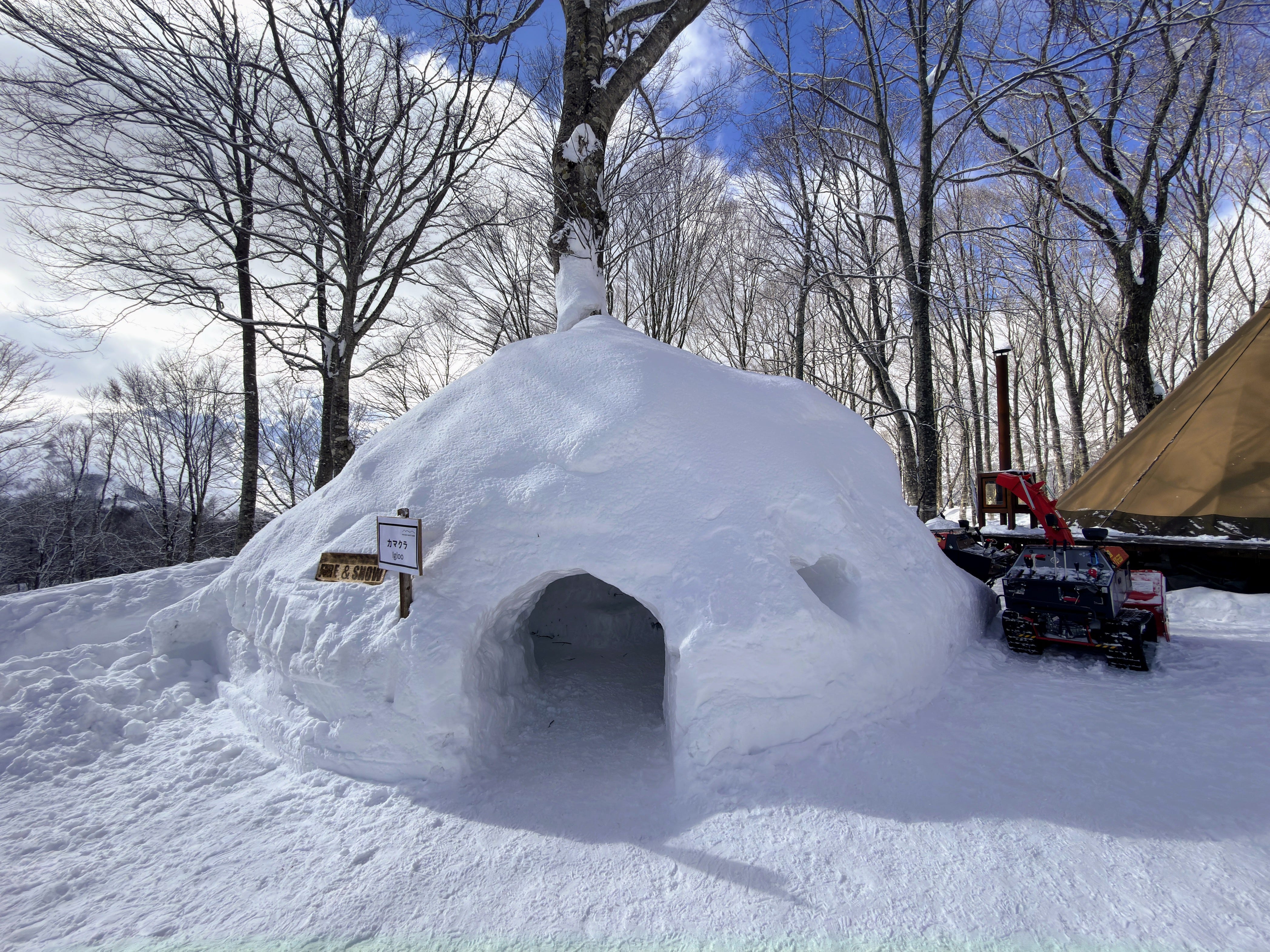
Hakuba actually surprised me with how much there was to do without skis. The highlight was riding the Iwatake gondola, where you can buy a tourist-only ticket to go up just for the Japanese Alps scenery, which is genuinely breathtaking. There are also more to walk around and see, such as the Hakuba Ohashi Bridge, and a walkable food and shopping scene around Happo-One and Echoland. I had a full three days without once feeling bored. (I wrote a full guide on what to do in Hakuba as a non-skier if you want the details.)
Niseko is harder to navigate as a non-skier in terms of structured activities, but I didn’t mind. My days had a slower rhythm, which I wrote about here. The days included long stretches at the onsen, wandering the Hirafu village, and stumbling across things I hadn’t planned on. Which leads me next to food.
Food and Drink
Hakuba has a solid izakaya scene, especially around Echoland. For lunch or dinner, Koiya is worth the visit if you like unagi don. It was probably the best unagi I’ve ever had.
Niseko, though, is where I had some of my most unexpected food moments of the entire Japan trip. Soup curry was a revelation that I did not expect. I’d had curry rice, curry udon, curry everything, but never soup curry. And then there’s Hokkaido milk. I don’t even drink milk at home, but I saw everyone at the hotel breakfast buffet pouring a glass and figured I’d try it. I went back for a second glass. Then I started buying it from convenience stores every day for the rest of the trip. Hokkaido produces around 50% of Japan’s milk, and you can absolutely taste why.
For drinks in Niseko, we found a speakeasy called Bar Gyu+ hidden behind a red sticker-covered fridge door in the Hirafu area. Inside, there are great whisky options and cozy cocktails. There’s a speakeasy in Hakuba, too, but I didn’t go as it seemed too high-end for what I was looking for.
One tip, though: Make reservations during the peak winter season for both Niseko and Hakuba.
So what’s the verdict? Niseko or Hakuba?
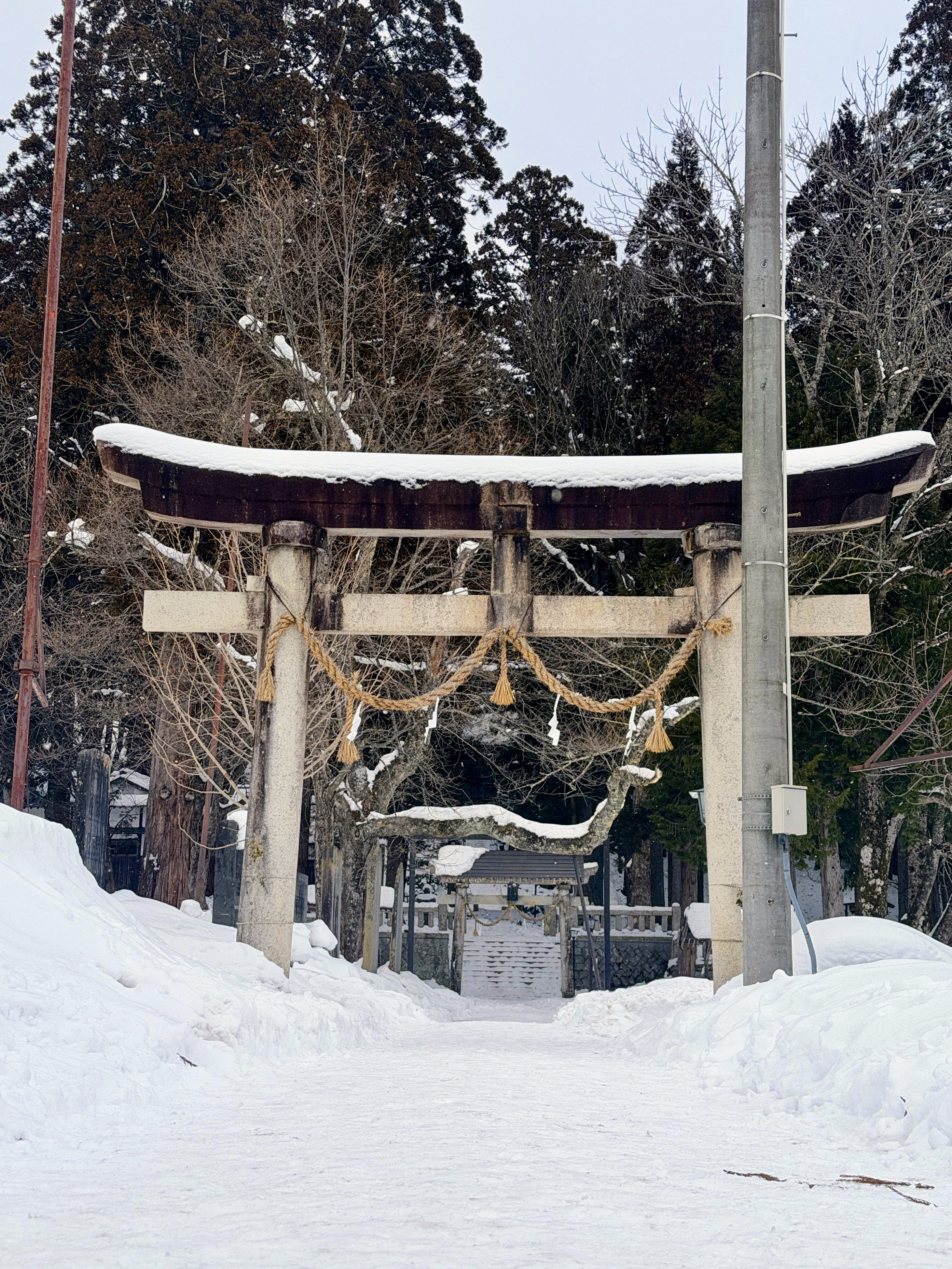
Choose Hakuba if:
You are visiting Japan as part of a broader itinerary based on Honshu
You are you a non-skier or beginner who wants structured sightseeing options
You want easy connections to Tokyo, Nagano, or Matsumoto
Choose Niseko if you:
You are a serious skier or snowboarder chasing world-class powder
You don’t mind (or actively enjoy) a buzzy resort atmosphere
You are already planning time in Hokkaido or Sapporo
Frequently Asked Questions
Is Hakuba or Niseko better for non-skiers?
Hakuba has a slight edge for non-skiers, with more structured sightseeing options like the Iwatake gondola, shrine walks, and accessible village shopping. Both are doable but Hakuba just has more to specifically direct a non-skier toward.
Which is more expensive, Hakuba or Niseko?
Both are pricier than other Japanese destinations in winter, as is typical for ski resorts. Niseko is generally the more expensive of the two, with higher accommodation costs driven in part by its international demand and luxury resort development. Hakuba tends to offer a wider range of budget-friendly accommodation and food options.
Can I visit both Hakuba and Niseko on one Japan trip?
You can, but they’re on different islands and not particularly close to each other. I’d recommend visit one per trip and save the other for your next Japan adventure.
Have you visited Hakuba, Niseko, or both? I’d love to hear how your experience compared.
¹ Inatsu, M., Kawazoe, S., & Mori, M. (2021). “Trends and projection of heavy snowfall in Hokkaido, Japan.” Journal of Applied Meteorology and Climatology, 60, 1483–1494.
Hakuba Travel Map: Sights and Food

The Hakuba Google Maps list includes every place I saved such as restaurants, points of interest, and backup options, organized so I could decide quickly while walking around. The Google Maps list can quickly sort things by distance so that you see what is closest to you.