


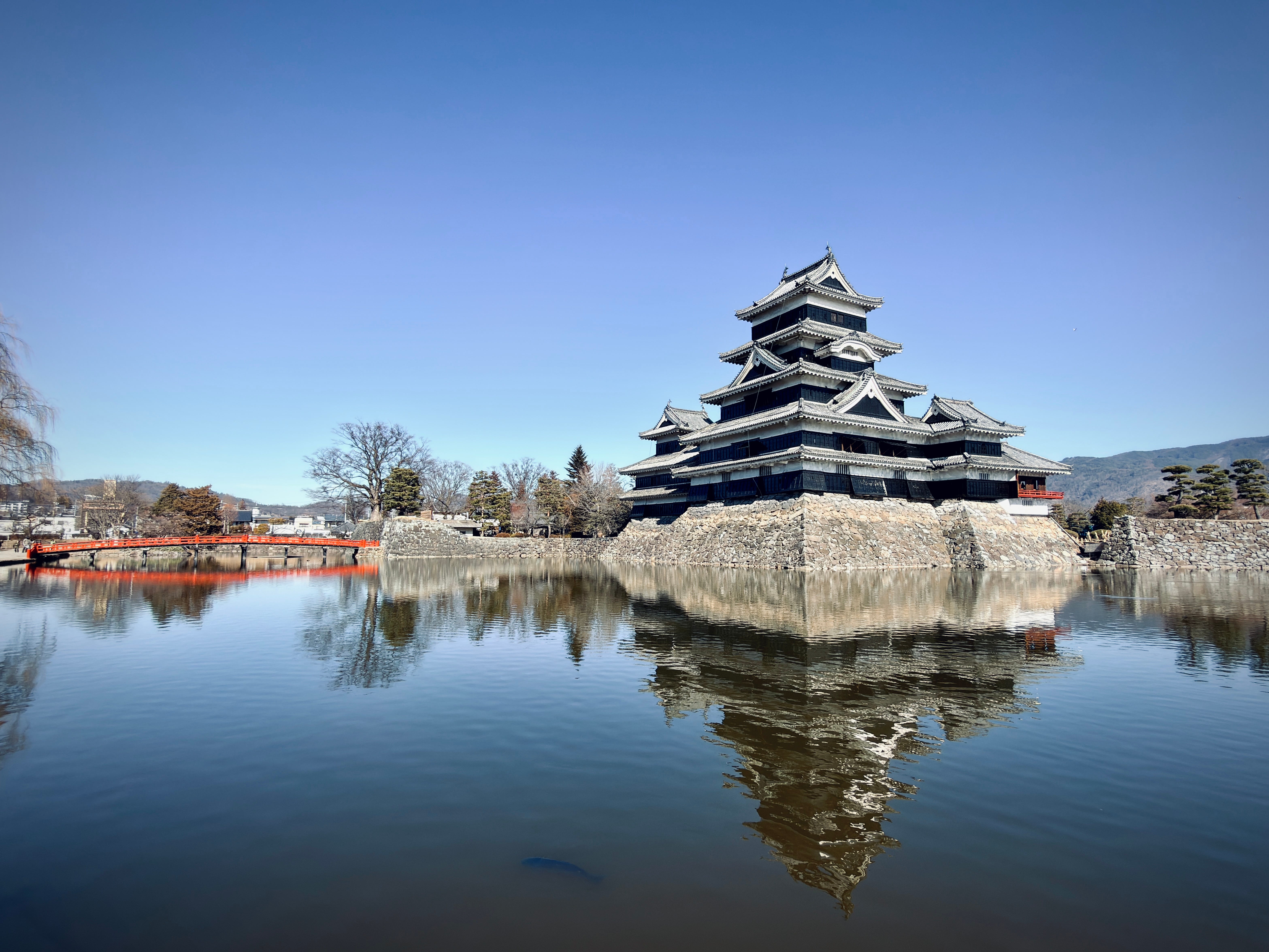
Matsumoto is a charming city in the Japanese Alps. Honestly, it was the castle that got me interested. I had seen photos of Matsumoto Castle online, and built a visit to Matsumoto around it. What I didn’t expect was how much I’d enjoy the quiet streets, the soba, and the general sense that nobody is here in a particular hurry. When paired with a full day in Nagano, you can easily make this a 3-day Matsumoto & Nagano itinerary that is both relaxing and memorable.
Disclosure: Some of the links on this page are affiliate links, meaning I may earn a commission if you click through and make a purchase—at no additional cost to you. All opinions are my own and based on my personal travel experiences.
Contents of this Guide:
This guide starts with two days in Matsumoto, including a day trip to Narai-juku, and one day in Nagano.
Matsumoto & Nagano 3-Day Itinerary
Matsumoto & Nagano 3-Day Itinerary
Day 1: Matsumoto Castle & Yayoi Exhibit
Nawate Shopping Street


On the way to Matsumoto Castle, you will run into a cute traditional shopping street that begins on the banks of the Metoba River and is famous for its frog theme. At one point, there were many Kajika frogs by the Metoba river, but while you may not see a real frog, you’ll find an obsessive number of frog statues throughout the street1. It was early in the morning when we went, so even though the stalls weren’t fully opened yet, we had the streets mostly to ourselves, and the unbothered neighborhood cat.
For lunch, we decided to try a soba joint nearby. There is no shortage of soba places in Matsumoto, so pick a place that looks good, and you’ll most likely be pleased.
Matsumoto Castle
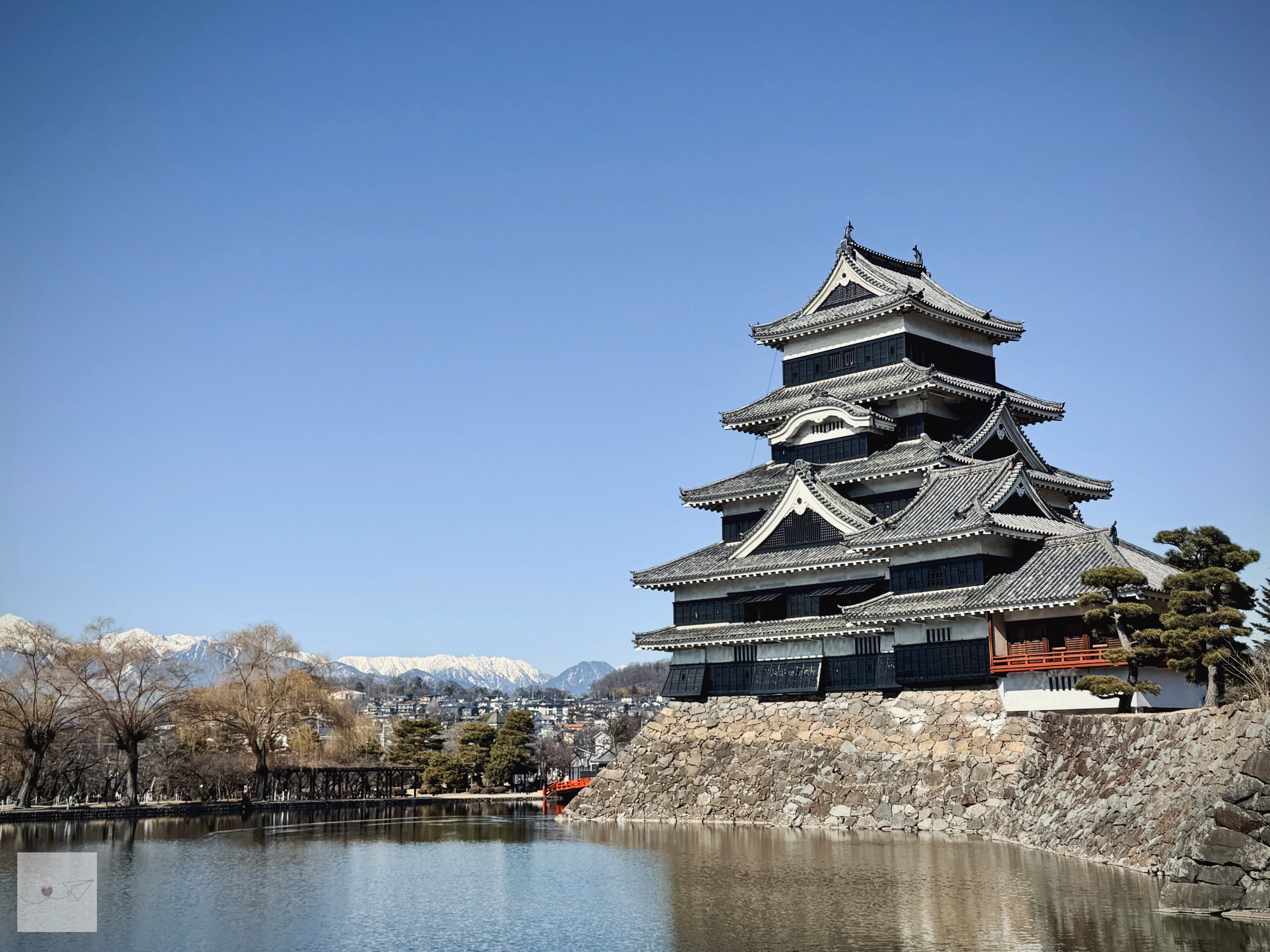
Matsumoto Castle is one of the oldest surviving original castles in Japan. The castle is nicknamed the Crow Castle because of its black exterior. When we visited, there was some construction going on to fortify the moat around the keep, which was interesting to see up close.
I highly recommend paying to go inside the Great Keep. Upon entering the castle, you will be directed to take off your shoes and put them in a plastic bag to carry throughout the self-guided tour. The hallways were wide enough to fit samurai in full armor. The ceiling and steep staircases are another matter, as we constantly had to watch our heads and take turns using the stairs. Even though the black castle never saw any war action, there is an exhibit inside with a collection of guns, other weapons, and armor.
After exploring the keep, it is relaxing to walk around the castle grounds. Don’t miss the Uzumibashi Bridge! It’s a great spot for a photo or to sit on the park bench and eat a snack.
Official Matsumoto Castle Website: https://www.matsumoto-castle.jp/eng/about
Matsumoto City Art Museum - The Yayoi Kusama Collection
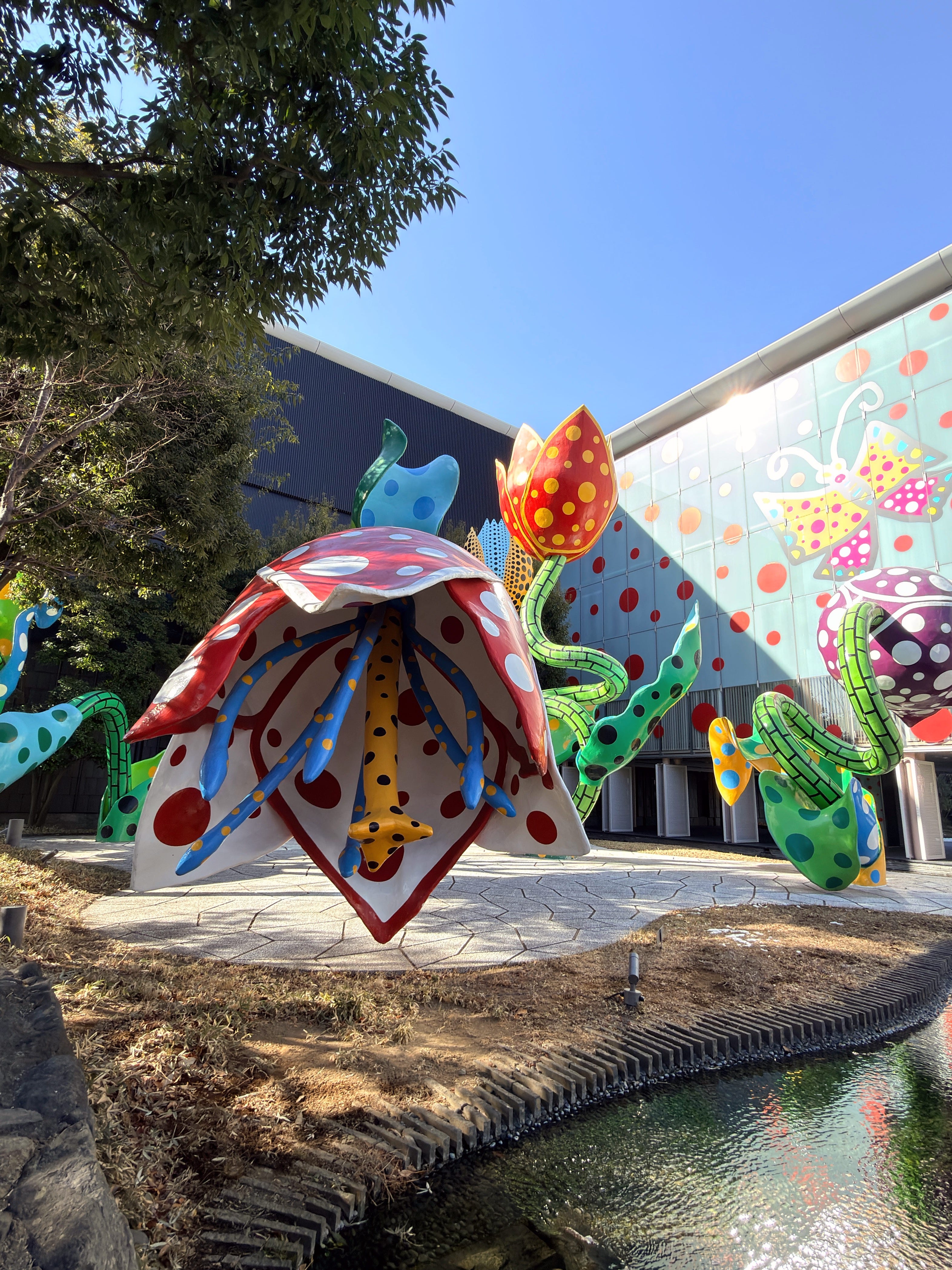
Next, head to the Matsumoto City Art Museum. Our primary reason for the visit was to see the Yayoi Kusama collection exhibit, a Japanese contemporary artist known for her polka dot sculptures and infinity mirror rooms. As a child, Kusama had experienced a lot of hallucinations, which had greatly influenced her art. Reading about her lifelong battle of being tormented by her own mind was especially heart-wrenching. Kusama’s vivid art was how she handled that darkness.
Tip: You can choose to only pay for the permanent collection exhibition, which is where you will find Kusama’s work. The special exhibition is a separate ticket. To see what the special exhibition is at the Matsumoto City Museum of Art, check their official website below.
Matsumoto City Museum of Art: https://matsumoto-artmuse.jp/en/visit/
Matsumoto Castle at Night
If you have the energy, swing back to the castle after dinner. The illuminated Crow Castle reflected in its moat is something else.
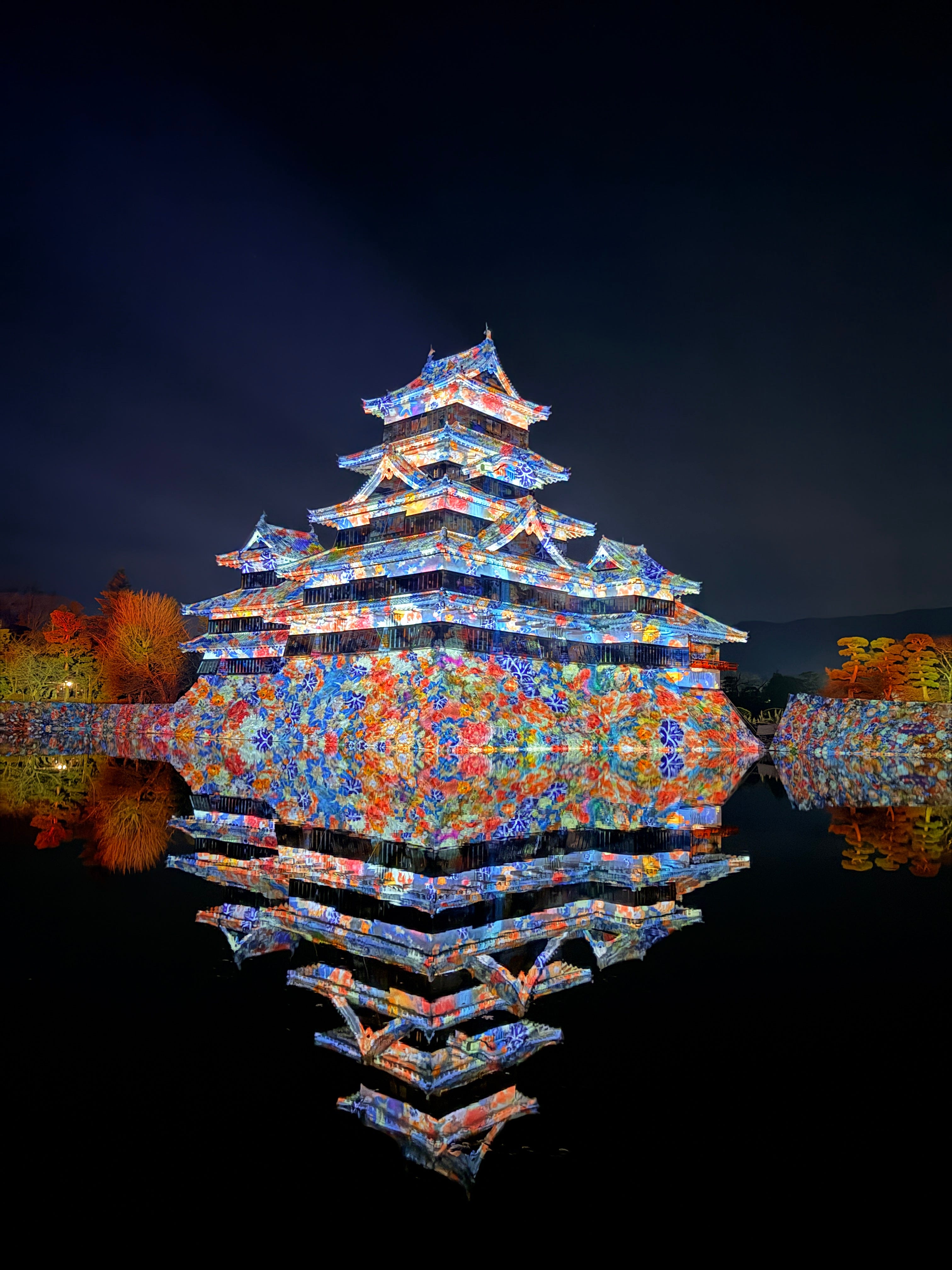
It might be seasonal, but check the Matsumoto Castle Instagram page or website to see if they are hosting a nighttime illumination. If yes, come right back to Matsumoto Castle to watch a ~5-minute light show with beautiful music. During the time we went, this event was free and absolutely enjoyable.
Matsumoto Castle Instagram: https://www.instagram.com/matsumotojo_office/
By this point in the day, my phone was running low on battery between navigation and photos, so a convenient pocket-sized battery pack like the Iniu power bank, which comes with a convertible strap cord, will come in handy.
Where to Drink in Matsumoto
We spent two nights in Matsumoto, so we tried something different each night. One night we went to a local izakaya, and the other night we went to a cocktail bar named Main Bar Coat.
Main Bar Coat has a cozy speakeasy vibe with an array of whiskey and cocktail options. There is a cover charge, but it includes an appetizer that was actually delicious. The drinks were tasty, and they definitely don’t skimp on the pour. It’s a good place for a date or a very small party.
If you’re looking for something more low-key, roll into a local izakaya. We walked past a random one that seemed busy with locals and decided to give it a shot. If they have it on the menu, try the shinshu salmon sashimi, which is a local landlocked trout that reminded me of ocean trout.

Day 2: Narai-juku
From Matsumoto Station, the train to Narai-juku is about an hour. The train ran about every ~1.5 hours in the winter and daylight is limited so you’ll want to plan a little bit on when you want to go. Bring cash for train tickets and dining at Narai-juku.
Narai-juku
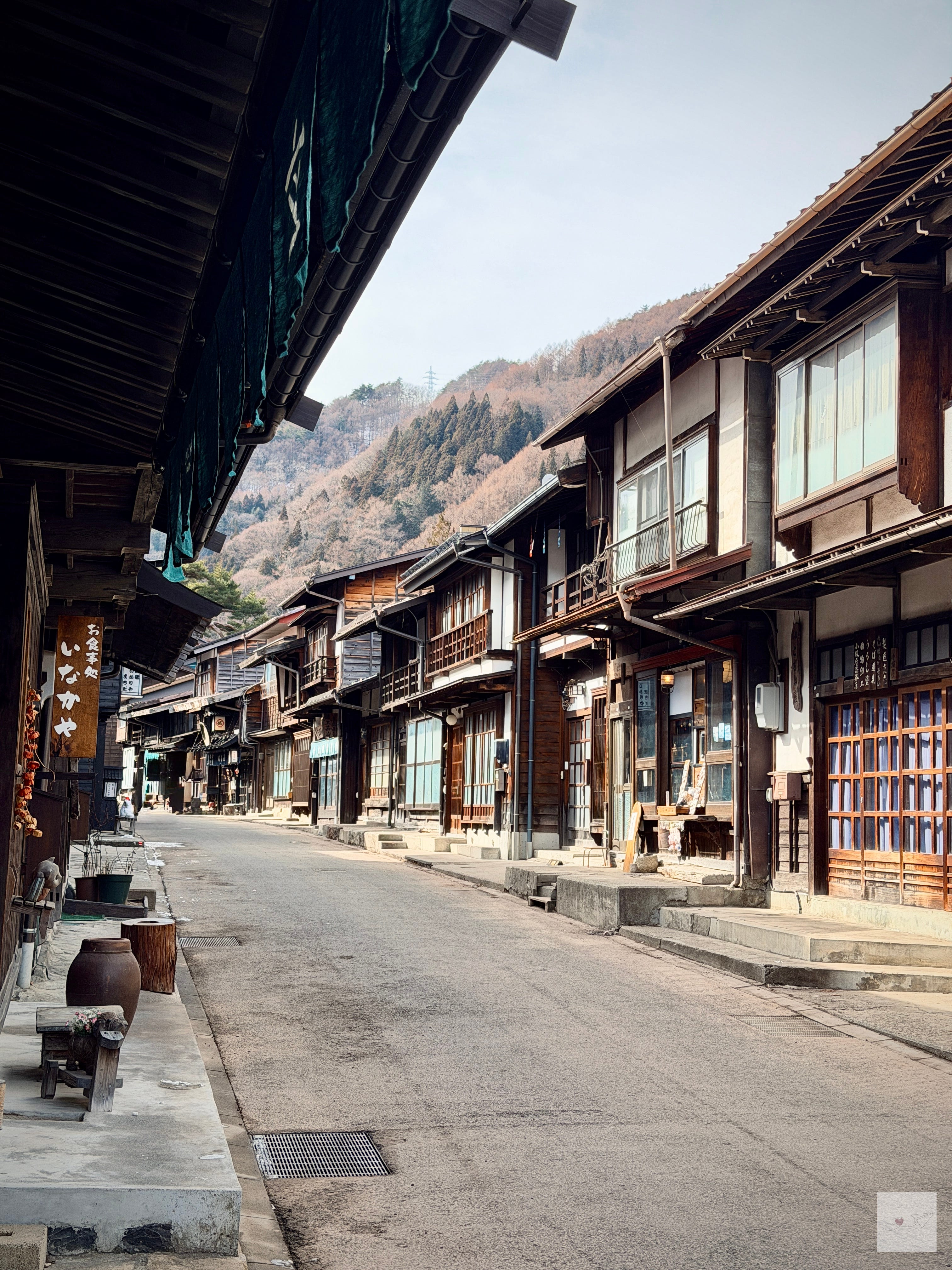
Narai-juku is an Edo-period preserved village that is part of the Nakasendo highway. The post town was successful because the Torii Pass is considered one of the most difficult sections of the Nakasendo trail. Occasionally, the village will have some events, which you can find posted by the Narai-juku Tourist Association through this link.
We strolled the streets and perused the stores and cafes that were open. It was the middle of the week in winter, so most of the shops were closed. I’ve seen pictures of how crowded it can get in the height of summer, and I’m sure the experience will be much different then. For lunch, I tried the Toji Soba, which I would describe as a hot pot-style soba. While it was definitely an interesting experience and brought warmth to my belly in the winter, I would definitely prefer the zaru soba in the summer!
Kiso-no-Ohashi Bridge
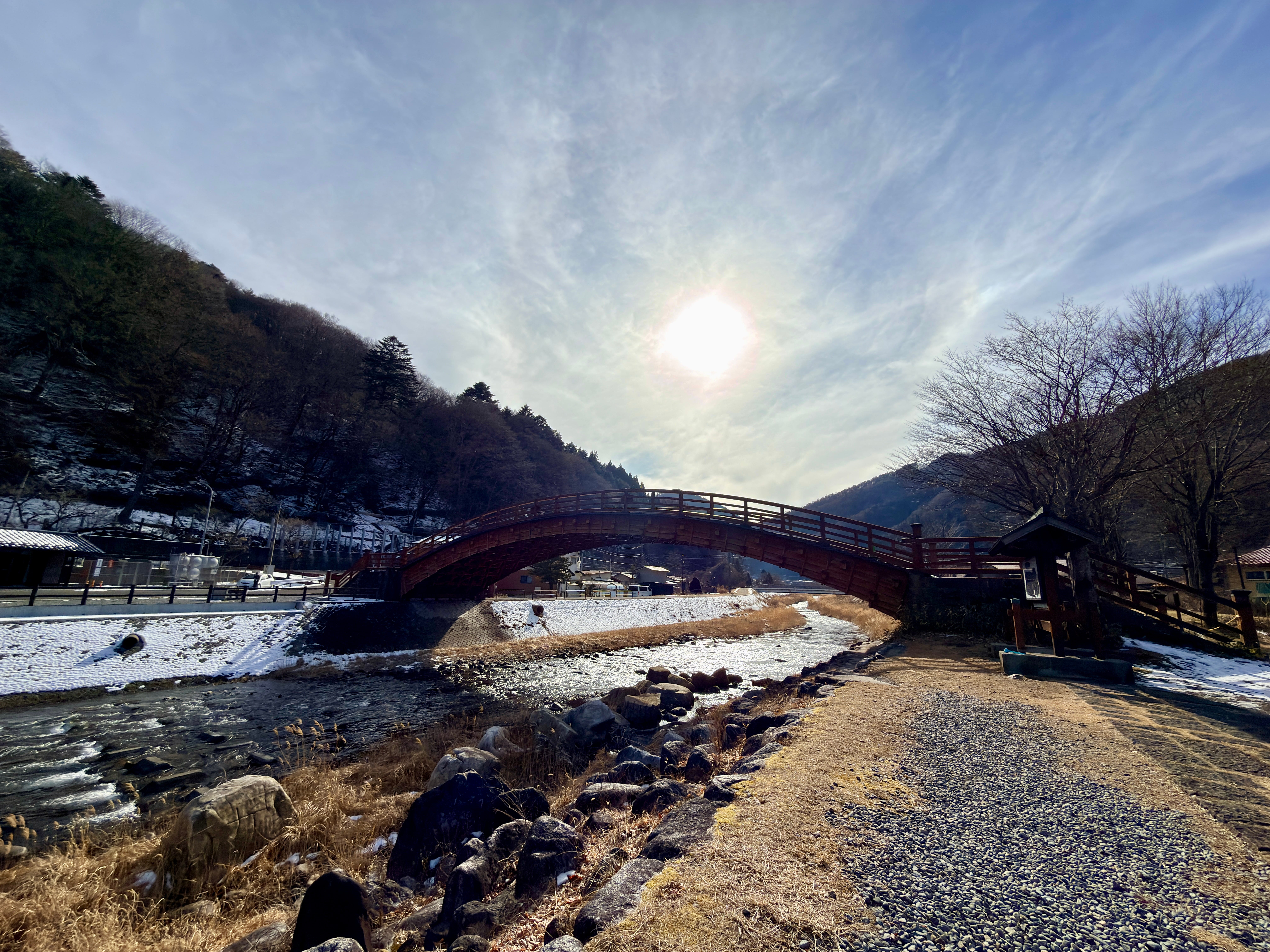
Meander down a side street behind the main road, and you'll find Kiso-no-Ohashi, an arching wooden bridge made out of cypress. During the winter, the bridge was closed off due to ice, so the visit may not be worth it. During the fall, the autumn leaves make a nicer backdrop.
We caught the next train back as the sun was beginning to set, fully satisfied with the half-day we spent at Narai-juku.
Day 3: Zenkoji Temple
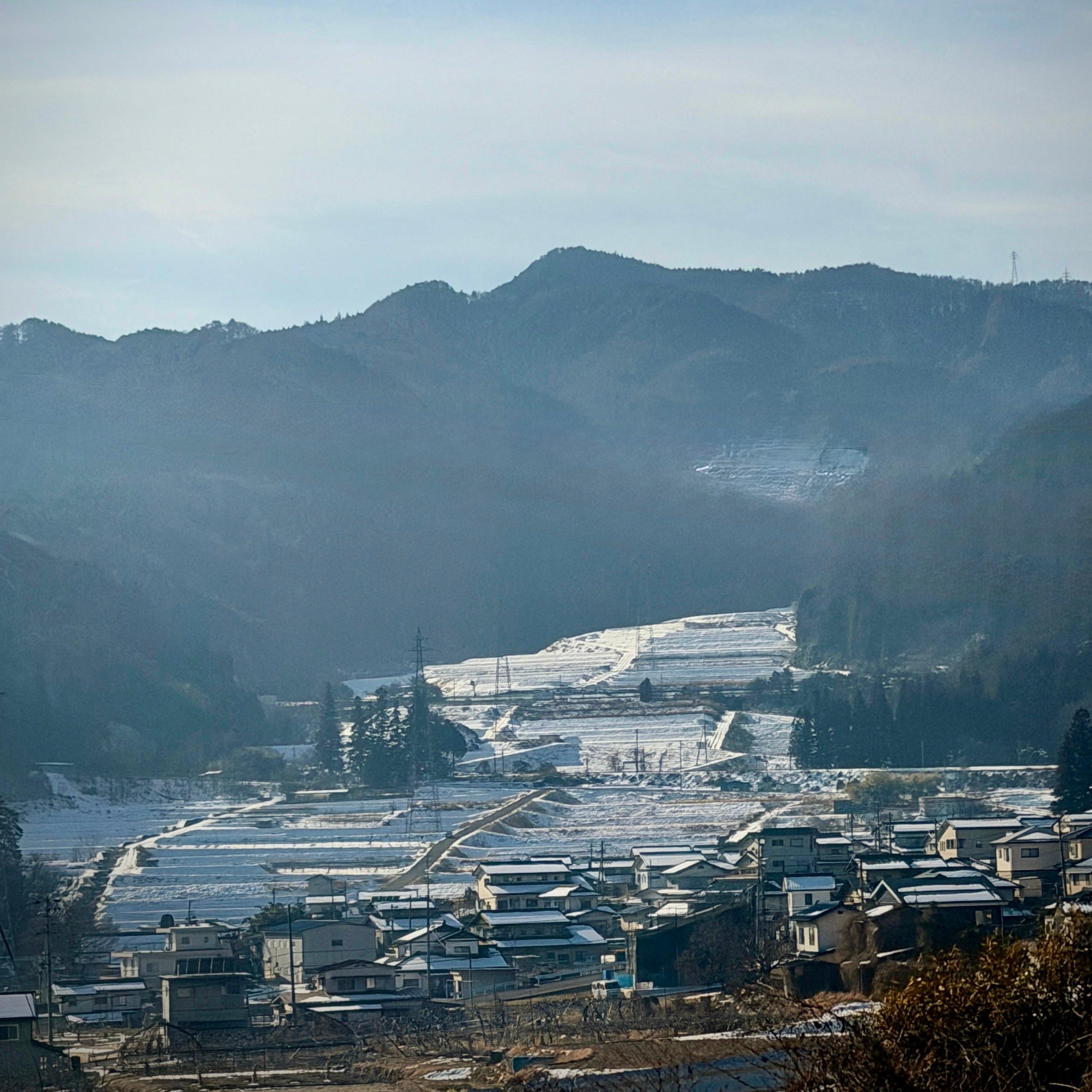
From Matsumoto, Nagano is a quick train ride that is around 50 minutes on the limited express. For half the price, you could take the local train, which would take about 1.5 hours. I rode on the Shinonoi Line, and at 8:30 AM in the winter, there was plenty of seating and space for overhead baggage. Along the journey, we passed by what looked like rice paddies blanketed in snow. The flat fields stretching out between the mountains were beautiful either way.
If you’d rather skip the walk from Nagano Station to Zenkoji, the Nagano Dentetsu line is a convenient option. The line runs underground beneath Nagano Station on the Zenkoji exit side. Just head down the escalator after you exit the station, and you’ll find it. The ride itself is only 4 minutes, but factor in waiting for the train and a 12-minute walk from the station to the temple, and you’re looking at a similar total time to just walking the 25 minutes from Nagano Station directly. At 210 yen each way, it’s cheap either way.
Tip: The cash machines on the Nagano Dentetsu line did not recognize new 500 yen coins or newer bills at the time of our visit in 2026. We had to exchange cash with a train staff member before we could buy tickets.
Zenkoji Omotesando & Namikase Street
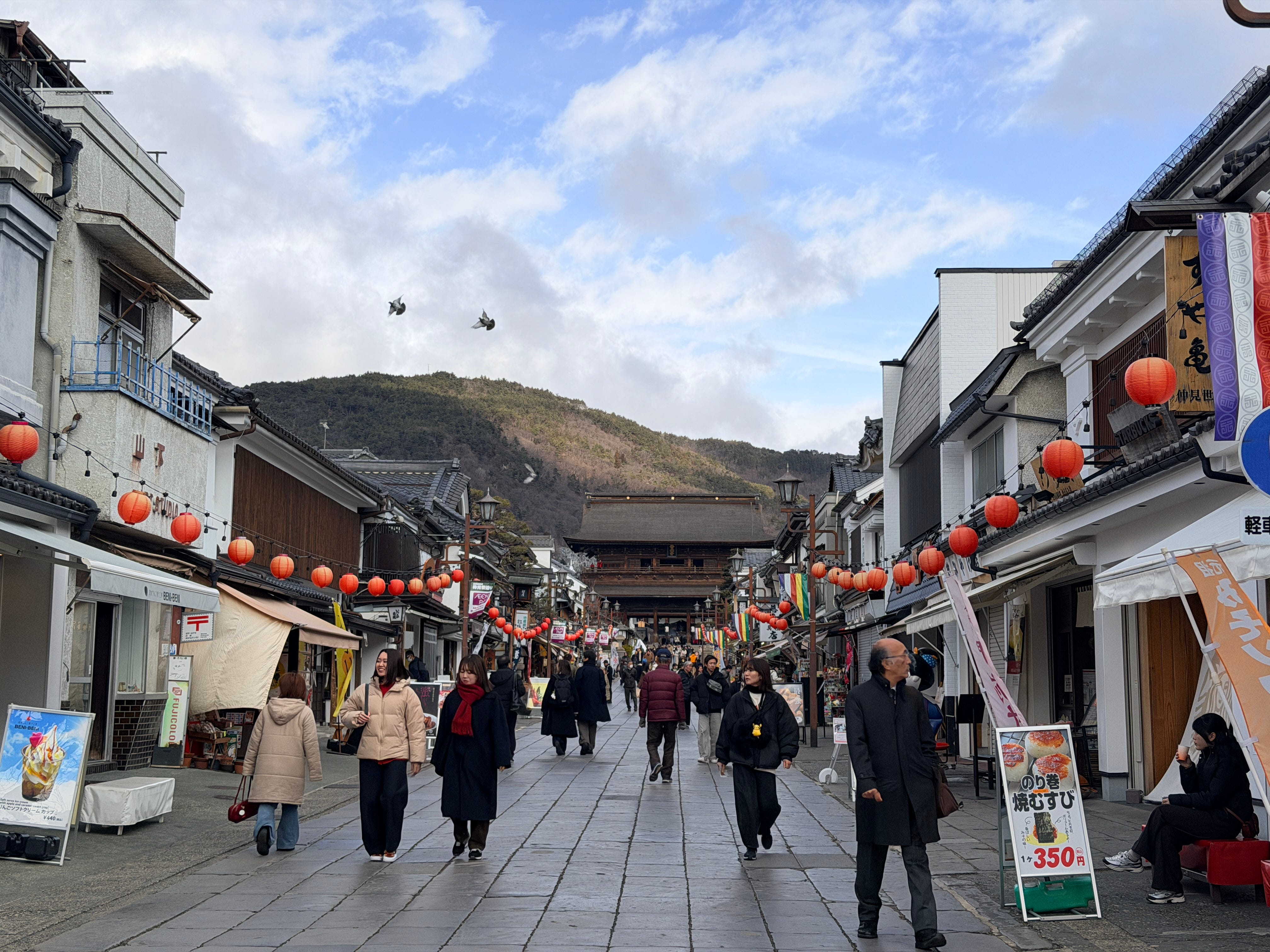
Explore the Omotesando, which stretches from the Zenkoji Temple to Nagano station. Before long, you’ll see Namikase Street right before the main entrance of Zenkoji. The streets are lined with renovated storehouses that were previously stalls, cafes, and old-fashioned shops selling Nagano’s famous local treats. My favorite treats:
Oyaki: a stuffed bun made with a wide variety of fillings.
Apple pie: Nagano is famous for its apples, and is the top apple-producing prefecture in Japan. I liked the one at Beni-Beni.
Roasted sweet potatoes: This is my guilty pleasure, just a simple treat that is best eaten while it’s still warm
If you still have room after snacking, check out とんかつ専門店 からり for pork katsu. The meat melted in my mouth, and it came with free refills on cabbage and rice.
Zenkoji Temple


Zenkoji is an impressive Buddhist temple built in 642 AD and rebuilt several times since. It was so magnificent with the giant gates out front, and it was more ornate than I expected inside, with elaborate decor and golden statues of Bodhisattvas lining the walls. There are experiences and activities you can partake in, such as daily morning prayers, sutra copying, and more.
At the entrance to the main hall, you’ll find Binzuru: a statue known as the “patting Buddha”, rubbed by visitors in the spot where they wish to be healed. Throughout the Zenkoji temple grounds, there are areas set up where you can burn some incense and place the incense stick into the jokoro, an incense burner. Then you “bathed yourself” in the smoke by waving it towards yourself and pressing your hands together to pray for something.
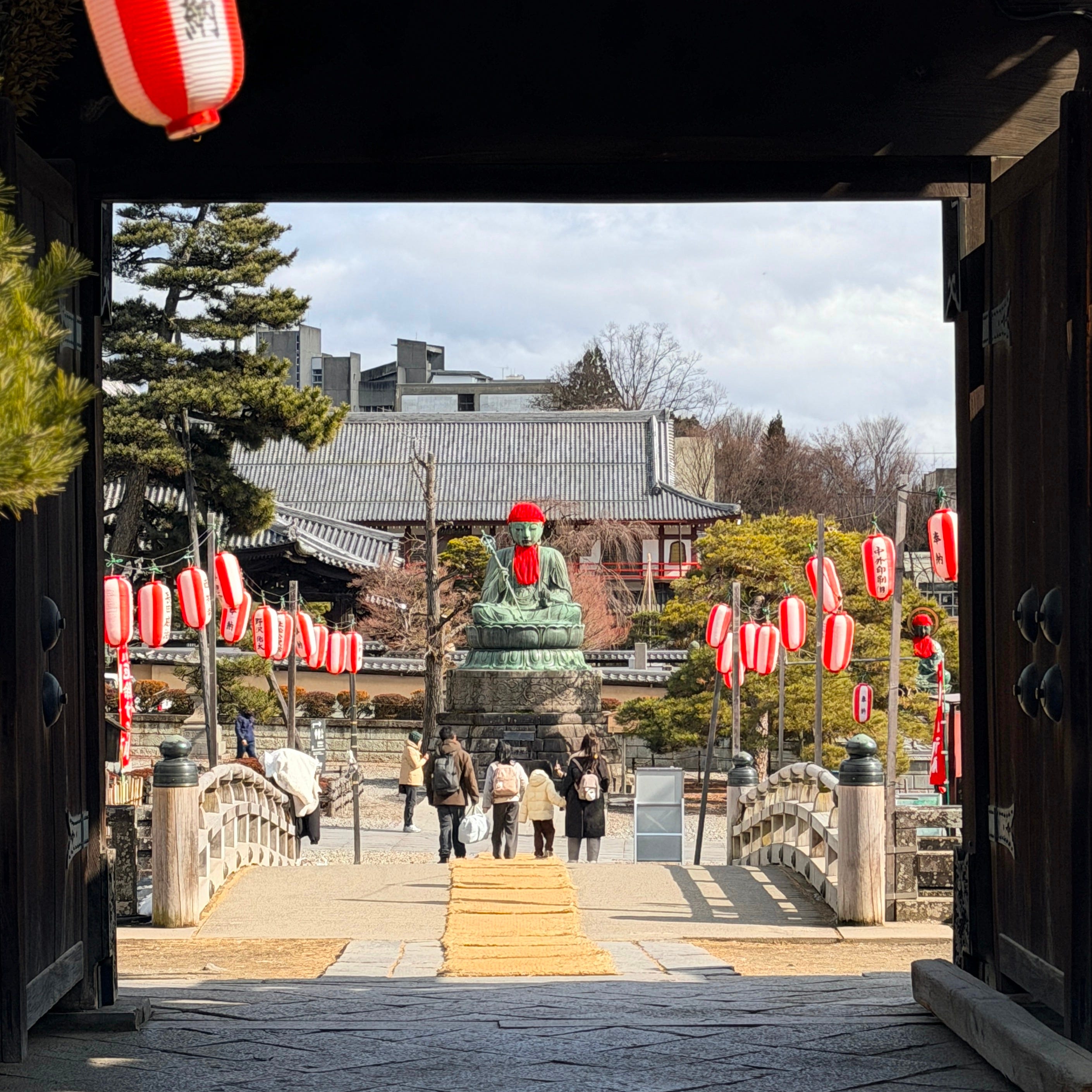
We were observing people coming to pray when we saw a middle-aged man hurriedly come to the incense stick stand, throw in a couple of coins, and say a really quick prayer before walking away. I thought that maybe he was in a rush to catch a train.
Then I saw him again, this time at Jizo, a bodhisattva associated with children, travelers, and the deceased, and I saw him do the same thing. He threw in some coins from his pocket, and then he fell onto his knees in front of the statue with his incense stick. Whatever he was going through and whatever he was praying for, he really needed. It made me hold back some tears and choke up seeing him so desperately pleading.
After the temple visit, we spent a little more time scouring Namikase Street on our way out before grabbing some drinks near Nagano Station.
Frequently Asked Questions
When to Visit Matsumoto and Nagano
I traveled to Matsumoto and Nagano in February. The weather was cold, and the air was crisp. Puffy jackets were a must at nighttime. While cold in the winter, the castle looks stunning against snow-covered mountains.
From what I’ve read, spring brings cherry blossoms around Matsumoto Castle and the Zenkoji grounds. Autumn brings golden ginkgo and red maple. Summer is warm and lively.
How many days do you need in Matsumoto and Nagano?
Two days in Matsumoto (with Narai-juku as a day trip on day two) gives you a comfortable pace. The city also has excellent food, particularly soba, and a walkable downtown that rewards slow exploration. The castle at night, especially, is something you'll want the time to do properly.
We weren’t interested in the Jigokudani Monkey Park, but if that was part of your plan, then you’ll need at least 2 days in Nagano.
How to Navigate Matsumoto and Nagano
To make it easier on your trip planning, I am sharing the locations that I spoke about in this blog post (and some extras) that might be helpful for your trip to Matsumoto and Nagano in the Google Map below:

Where to Stay in Matsumoto
I decided to stay at an onsen hotel and found the Onyado Nono Matsumoto. I highly recommend this place to anyone exploring Matsumoto, as it exceeded all expectations and had great amenities.
✅Pros: indoor & outdoor onsen, sauna room, cold bath, late-night soba/ramen, free apple juice/tea downstairs, cute room, luggage wheel cleaner, great hotel staff
❌Cons: None.
Some people might be uncomfortable about having to put their shoes away in the shoe locker. The hotel has tatami mats, so they have a no-shoe inside policy.
🏨Book Onyado Nono Matsumoto | 📽️Video of my room
Where to Stay in Nagano
I decided to stay near the train station for convenience and stayed at the Hotel Metropolitan Nagano, which was directly connected to Nagano Station. It’s an older hotel that has everything you would need for a short stay.
✅Pros: conveniently connected to Nagano Station on 2F, has restaurants inside, quiet, comfortable, has elevators and is near a Don Quijote!
❌Cons: Luggage storage experience was a bit bumpy. Just make sure you get a luggage storage slip from hotel staff if you are dropping off your luggage before check-in, and everything should be fine.
🏨Book Hotel Metropolitan Nagano
Other Travel Planning Resources
📲 Stay Connected with eSIM
Related Posts

“信州・松本 なわて通り商店街.” 信州・松本 なわて通り商店街, 20 Jan. 2017, www.nawate.net/. Accessed 28 Apr. 2026.