


Why Visit Nagano in Winter?
Unlike the over-touristed golden route of Tokyo –> Kyoto –> Osaka, the Nagano region is perfect for meanderers with its stunning mountain scenery and an authentic pace of life. In this 8-day Nagano winter itinerary, you can ride a gondola above the snow-capped Japanese Alps without a ski pass, climb a 16th-century black castle, and eat the best soba of your life. Nights are best spent in an onsen, warming up after a day of exploring in the cold. This itinerary strings together three very different towns into a week-long winter route.
Disclosure: Some of the links on this page are affiliate links, meaning I may earn a commission if you click through and make a purchase—at no additional cost to you. All opinions are my own and based on my personal travel experiences.
At a Glance
Trip length: 8 days / 7 nights
Bases: Hakuba (3 nights) → Matsumoto (2 nights) → Nagano City (1 night) → Tokyo (1 night)
Getting around Trains and local buses only
Who this is for: Anyone who wants a well-rounded winter Japan experience beyond Tokyo
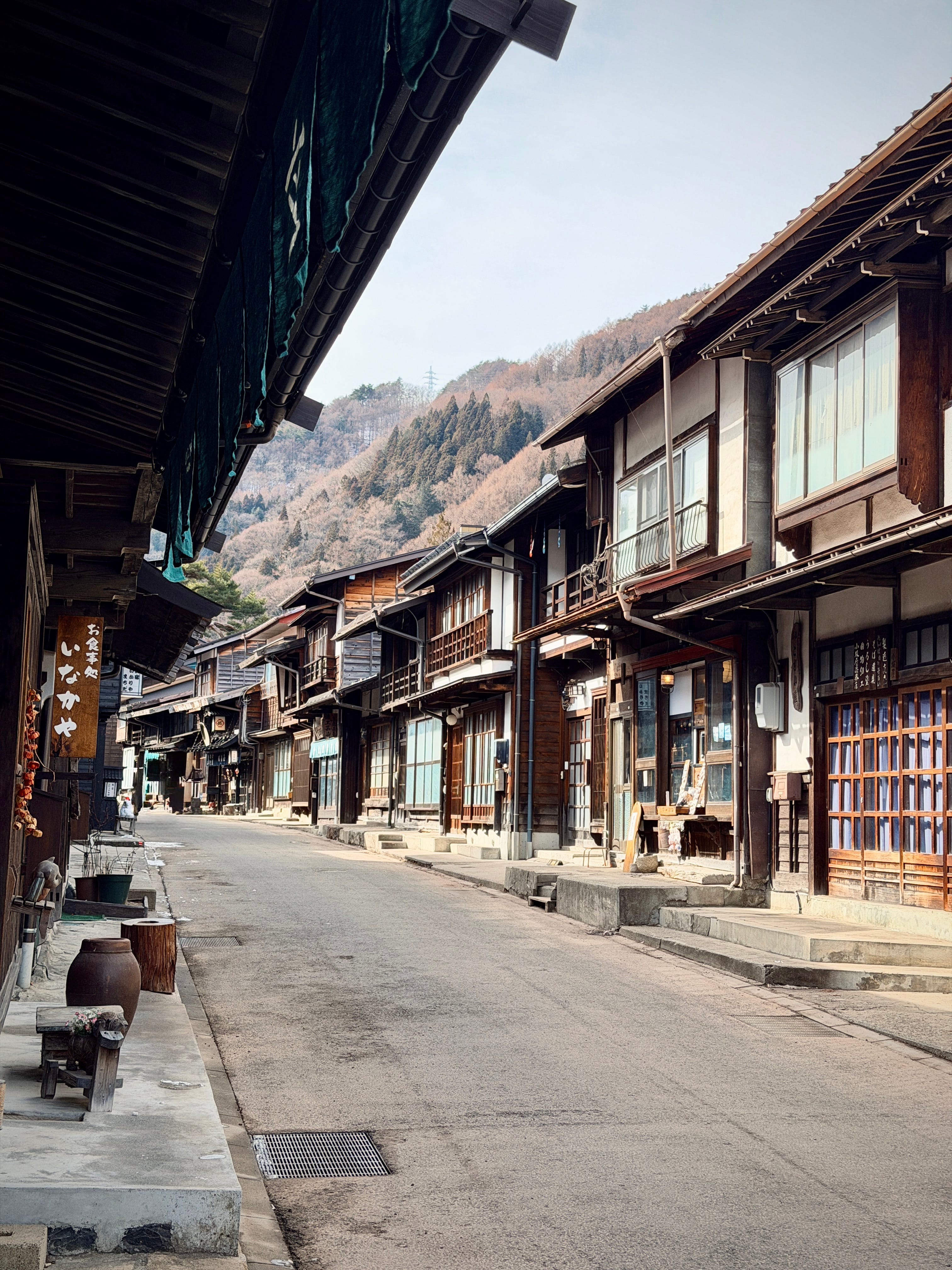
Table of Contents
Day 1-3: Hakuba
Day 3-5: Matsumoto
Day 6-7: Nagano
Day 7-8: Tokyo
Getting to Nagano from Tokyo
You have two main options: shinkansen or snow shuttle.
Option 1: Hokuriku Shinkansen (Recommended if going to Matsumoto or Nagano City first)
The fastest and most flexible way into the region. The Kagayaki Shinkansen runs non-stop from Tokyo Station to Nagano Station in approximately 80 minutes. The Hakutaka service makes a few stops and takes around 100 minutes. One-way reserved seats cost approximately ¥8,450 per person.
Do you need to reserve a seat? Yes! I saw long lines of people at the counter trying to get on the shinkansen, and that experience just seems horrible. I used the Shinkansen for my route from Nagano to Tokyo and reserved my seats after I landed (a week in advance).
Option 2: Nagano Snow Shuttle (Best if flying into Haneda and heading straight to Hakuba)
If you are flying into Tokyo and your first stop is Hakuba’s ski resorts, the Nagano Snow Shuttle is a stress-free door-to-door alternative that I recommend. It is a direct charter bus from Haneda Airport straight to your hotel in the Hakuba Valley. No train transfers, and no lugging bags through busy stations.
Route: Haneda Airport Terminal 3 → Hakuba hotels
Duration: ~5.5 hours, with 2 rest stops (including a free oyaki tasting at Oyaki Farm if travelling during the day)
Cost: ¥12,750 per person (as of January 2026)
Check out my full Snow Shuttle guide here:

Luggage tip: Use Japan’s takkyubin forwarding service and drop your bags at the hotel before checkout, so that they arrive at your next hotel by evening. Costs ¥1,500–¥2,000 per bag and is widely available at hotels and convenience stores. A game-changer when moving between ski towns. We used it to transfer my partner’s snowboard bag to the airport.
8-Day Nagano Winter Itinerary
Days 1–3: Hakuba
Hakuba is a ski valley in the northern Japanese Alps, best known for its powder snow. But even as someone who is a nervous wreck trying to get off the snow lift, I found three days here to be well worth it, as the mountain views, onsen, and general atmosphere hold up without skis. Please keep in mind that food and lodging are priced like a ski resort, because it is one.
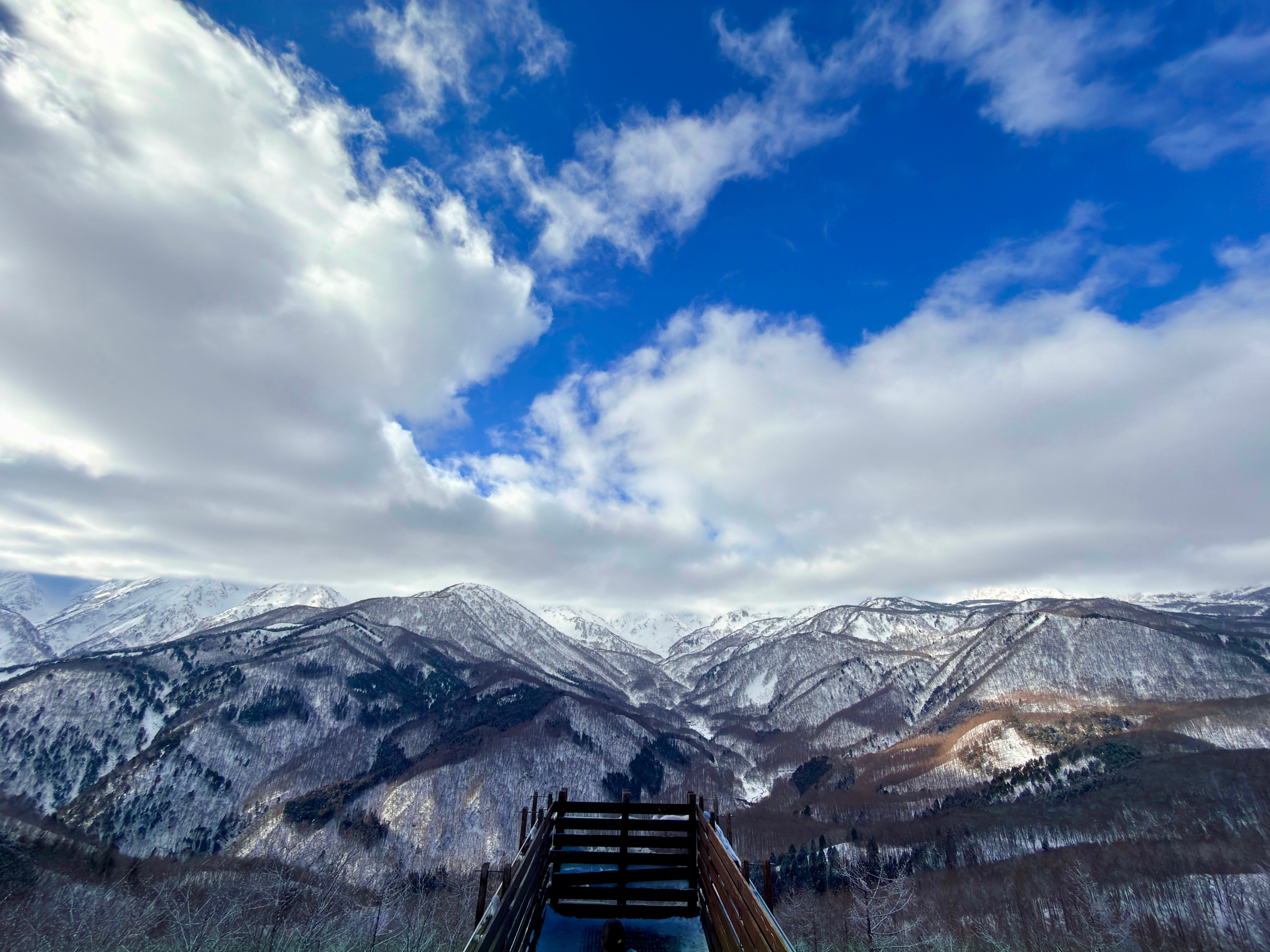
For the full day-by-day breakdown of what to do, where to eat, and how to get around, check out my detailed Hakuba guide here.
How to Get Around in Hakuba
Getting around is easy with the Hakuba Valley Shuttle Bus, which connects all the major resort areas. Tickets are ¥800 online (must use within one hour) or ¥1,000 cash on board. A night bus also runs for ¥500. Otherwise, I usually just walked.
Where We Stayed in Hakuba: Hotel Moegi in Happo-One
This hotel is close to lifts and restaurants, onsen on site, and runs a shuttle to and from the bus stop on arrival and departure days. No elevator, stairs only. Around ¥25,000–¥35,000/night
Days 4–6: Matsumoto
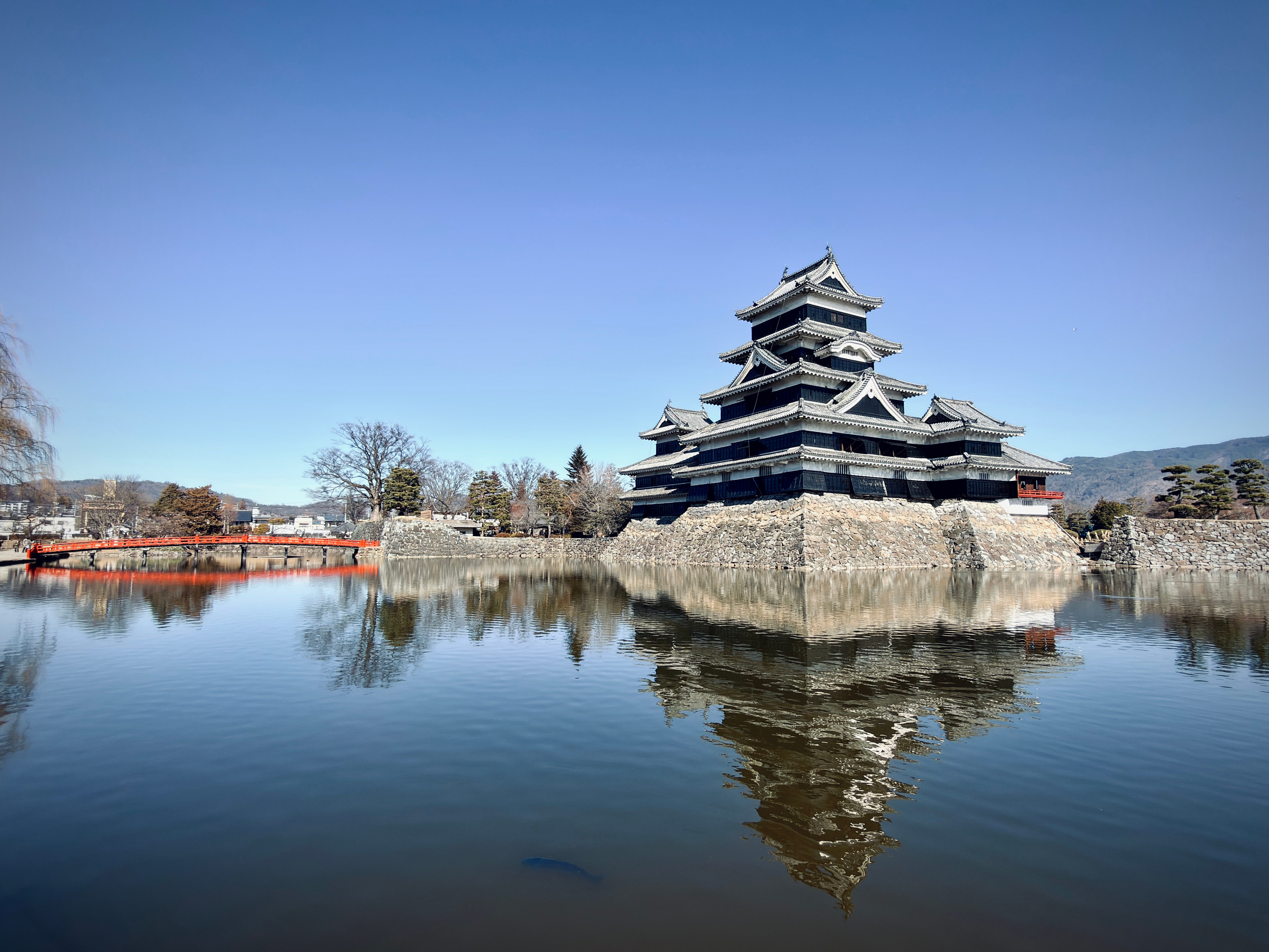
Matsumoto is a castle town that is quieter and more lived-in than Hakuba, with excellent food and one of the most beautiful castles in Japan. Two days here gives you a full castle-and-culture day, followed by a day trip to the Edo-era post town Narai-juku. For my detailed 2-day Matsumoto itinerary, check out my post here.
Getting to Matsumoto from Hakuba
We took the JR Oito Line directly from Hakuba Station, no reservations needed as all seats are unreserved. The journey involves one transfer at Shinano-Omachi Station, where you switch trains to continue to Matsumoto. The first leg takes about 30 minutes, there's roughly a 15-minute wait, and the second leg is about an hour; totalling around 1.5 hours. Trains aren't too frequent, so make sure to check the timetable before you leave. We only found out about the platform switch in Shinano-Omachi from overhearing other passengers as Google Maps didn't flag it, so keep your ears open at Shinano-Omachi and look for the departure board.
Where We Stayed in Matsumoto: Onyado Nono Matsumoto
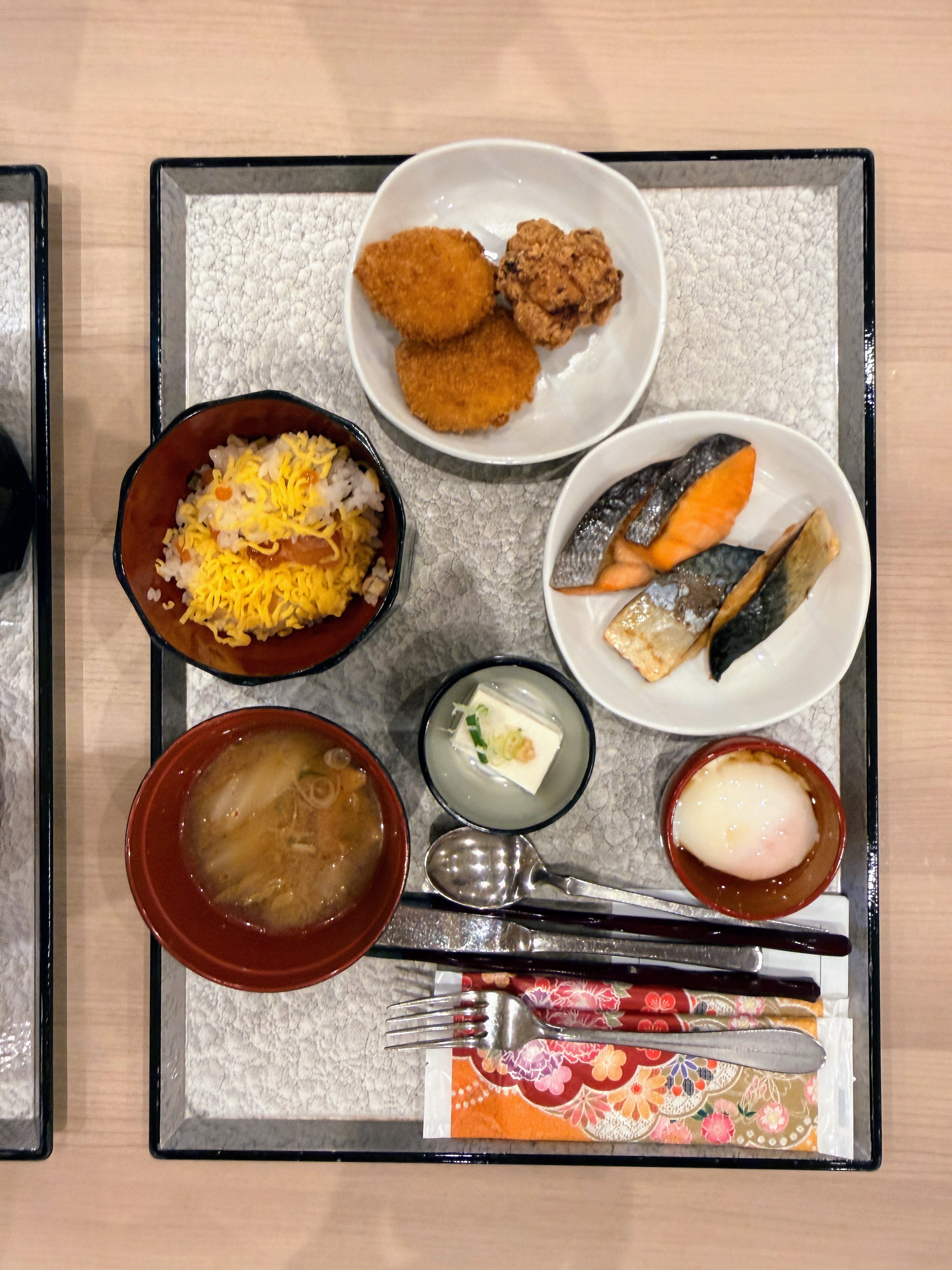
Onyado Nono Matsumoto has an indoor and outdoor onsen, sauna, cold bath, late-night soba/ramen, breakfast buffet, and free apple juice and tea downstairs. Highly recommended. Note: no-shoes policy with tatami mats throughout; shoes go in a locker at check-in.
Days 6–7: Nagano City
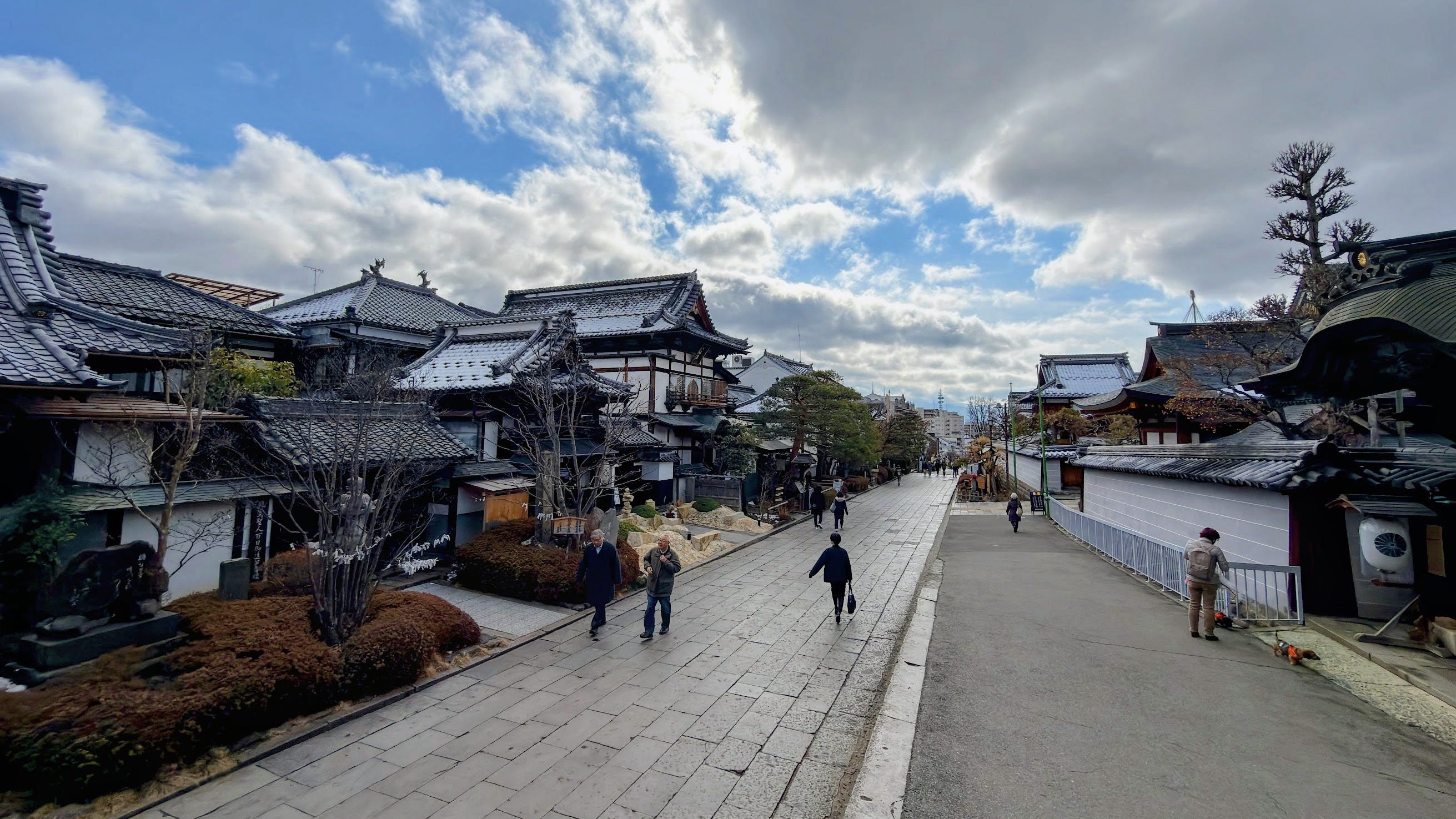
Nagano City is the region’s main transport hub and home to Zenkoji Temple, one of Japan’s most important Buddhist temples that draws in millions of visitors every year. Compared to Matsumoto and Hakuba, Nagano City feels more urban, but the temple precinct and the snack-lined Namikase Street approach make it a worthwhile stop before heading back to Tokyo. For the full Nagano City guide, check out my post here.
Getting to Nagano City from Matsumoto
From Matsumoto, you could take the Shinonoi Limited Express, which takes about 50 minutes through beautiful snow-covered countryside. The local Shinonoi Line is also available for roughly half the price and takes about 1.5 hours. Both are comfortable; I opted for the latter.
Getting Around Nagano City
We relied on local trains and were able to walk around pretty easily.
Where We Stayed in Nagano: Hotel Metropolitan Nagano
The Hotel Metropolitan Nagano is connected directly to Nagano Station on the second floor, which is extremely convenient for an early departure the next morning. If you drop luggage before check-in, get a storage slip from the front desk.
Day 7-8 — Departure & Return to Tokyo
If your shinkansen home isn’t until the afternoon, use the morning for a slow breakfast near Nagano Station, a final oyaki from Namikase Street, or any last-minute souvenir shopping.
Returning to Tokyo from Nagano
The Hokuriku Shinkansen from Nagano Station back to Tokyo Station takes 80–100 minutes. Reserve your seat in advance, especially on weekends and during holidays. Unreserved cars can fill up on busy travel days.
Frequently Asked Questions
Do I need to speak Japanese in the Nagano region?
Hakuba during ski season has a large international community and many English-speaking staff. Matsumoto and Nagano City require more Japanese or Google Translate, but you can absolutely get by.
Do I need snow boots or special gear?
Yes. Waterproof boots with a solid grip are essential, especially in Hakuba. Traction cleats, which are sometimes sold at convenience stores and sports shops, could be useful for icy temple steps and shrine paths. Pack a warm layering system, base layers, hat, gloves, and a good wind-resistant outer layer for the chilly winter air.
Is Hakuba worth visiting without skiing or snowboarding?
Yes absolutely. The gondola views at Iwatake, the mountain scenery, the onsen, and the general atmosphere make it worthwhile for non-skiers. With that said, food and accommodation in Hakuba carry ski-resort prices, so factor that into your budget.
Should I get a JR Pass?
It depends on your broader Japan itinerary. I found this not worth it for this itinerary alone, also because we used the snow shuttle to get from Tokyo to Hakuba.
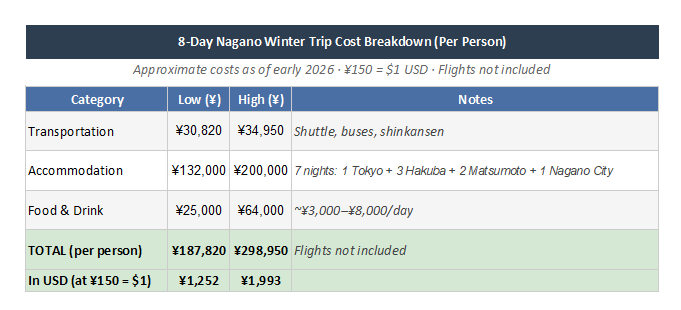
Cost Breakdown (Per Person, Excluding Flights)
Prices are approximate, based on costs as of early 2026. The approximate travel costs (without airfare) including food, hotel, and attractions could range between $1200-$2000 per person. Personally, I was able to stay under $1,500 per person.
Some money-saving tips:
Convenience stores (Lawson’s in Hakuba, 7-Eleven and FamilyMart elsewhere) are great for cheap breakfasts
Lunch sets at most restaurants cost noticeably less than the same dishes at dinner
Buy Hakuba Valley Shuttle Bus tickets online (¥800) rather than cash on board (¥1,000)
Other Travel Planning Resources
📲 Stay Connected with eSIM
🗺️ Hakuba Travel Map: Sights and Food
🗺️ Matsumoto & Nagano Travel Map: Sights and Food


